


The way we work has changed forever. Offices are no longer the only place where teams grow and perform. Today, many companies are built on remote work. This change has given birth to a new style of leading called remote leadership. It is not just about using Zoom or emails. It is about guiding people from far away while keeping them motivated, connected, and productive.
In this new era, leaders who can successfully guide remote and hybrid teams have become critical assets. They need a fresh mix of skills, updated habits, and strategic clarity. Without them, teams may drift. With them, teams can thrive, even outperforming their past in-office benchmarks.
Office Leadership Before Remote Work
Leadership used to be a visible act. A manager could walk into a room, give direction, and monitor progress firsthand. The office provided natural ways to communicate, check in, and inspire. Face-to-face talks, meetings, and physical presence were key tools of effective management.
But when offices shut down, this approach reached its limit. Leaders could no longer rely on visibility. A different mindset (and toolkit) became essential.
The Shift to Remote Businesses
As companies transitioned to remote-first or hybrid models, leadership needed to evolve. Trust replaced control. Clear expectations and digital transparency became essential. Communication had to be proactive and intentional.
This transformation also introduced the challenge of hybrid leadership, leading both remote and in-person employees without diminishing team spirit or unity. Balancing flexibility with cohesion became a defining task.
Pandemic as a Turning Point

The global pandemic accelerated everything. Overnight, remote leadership was put to the test. Some teams adapted quickly and improved. Others faltered. This period revealed what’s now called “pandemic performance”, a spectrum of success and struggle.
The key takeaway? Remote leadership is not temporary. It’s a core capability of the modern leader and a defining element of the future of work.
Core Skills of Remote Leaders
To lead effectively in distributed environments, leaders need specialized competencies – what we at Blended Leading refer to as post-pandemic leadership skills. These include:
-

Using digital platforms purposefully
-

Demonstrating emotional intelligence and care
-

Providing clear, actionable guidance
-

Building trust through transparent, empathetic communication
-

Focusing on outcomes instead of time spent
A successful virtual leader does all of this with confidence. They foster an environment where every team member feels seen, supported, and empowered.
Remote Leadership Training
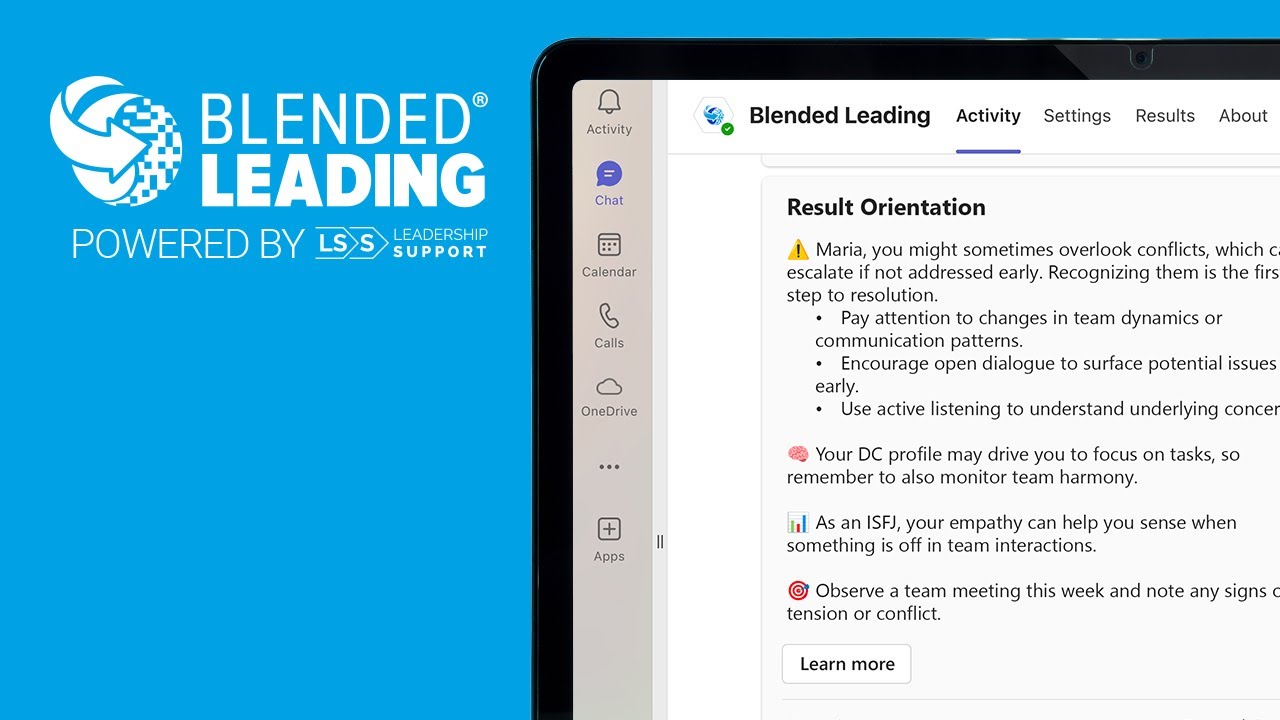
As the demand for these new skills grows, leaders are actively engaging in remote leadership training. These programs, especially those integrated within tools like Microsoft Teams, help leaders manage hybrid teams, resolve conflicts, and build culture in decentralized settings.
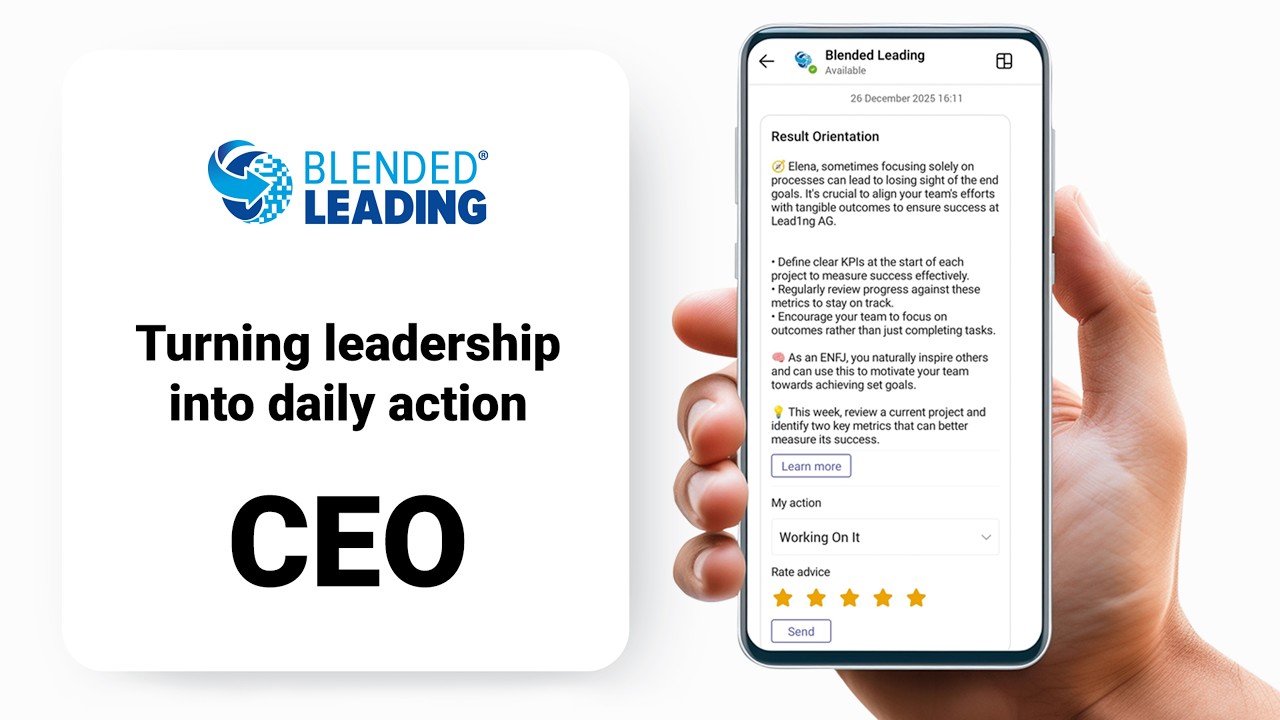
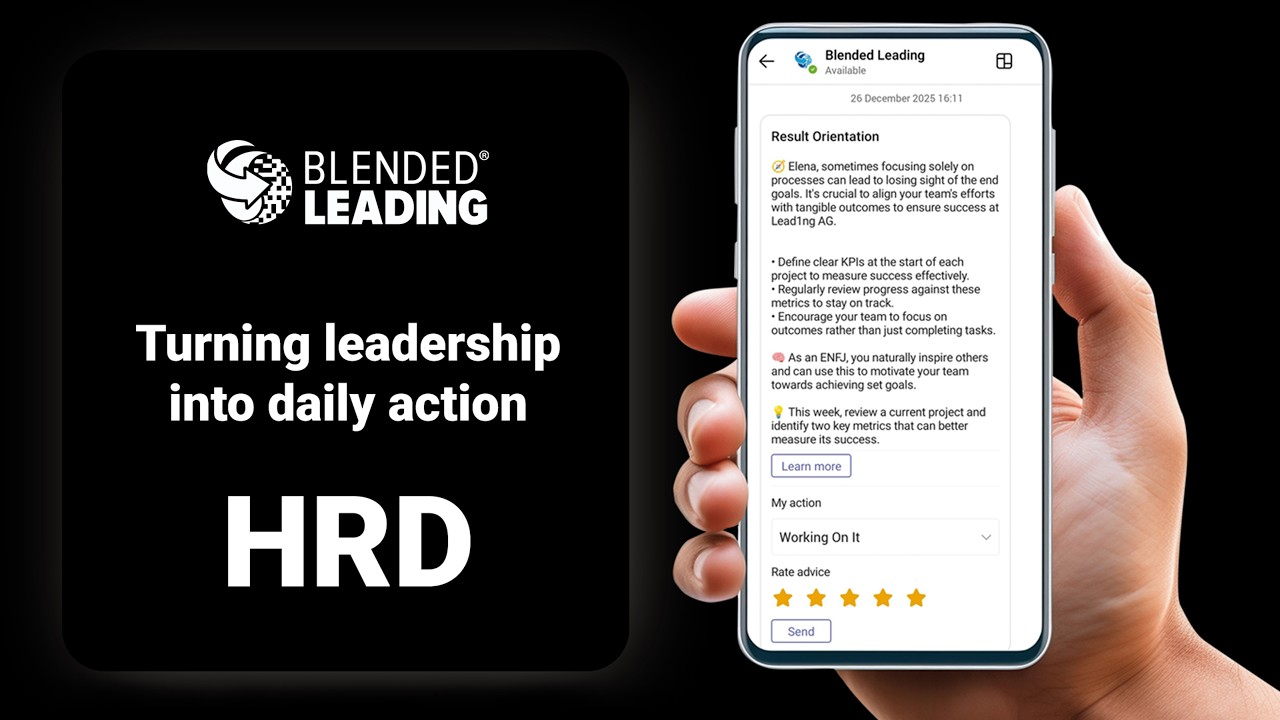
Blended Leading goes one step further: we deliver AI-powered nudges directly inside daily workflows, helping leaders develop in real time, based on real data, not theoretical checklists.
Women in Remote Leadership
Another shift worth noting is the rising visibility and impact of women in remote leadership. Many women have excelled by leading with empathy, agility, and a holistic view of performance and well-being.
This diversity enriches leadership teams, offering innovative approaches and inclusive strategies that resonate in the hybrid age. The result: stronger collaboration, better decision-making, and healthier work cultures.
Office vs Remote Leadership
| Aspect | Office Leadership | Remote Leadership |
| Communication | Face-to-face talks | Digital tools and clear notes |
| Motivation | Presence-driven | Continuous feedback and recognition |
| Work Monitoring | Direct oversight | Smart KPIs and performance analytics |
| Leadership Style | Authority-based | Trust and flexibility |
| Team Collaboration | Office discussions | Hybrid syncs, collaborative tools |
The Future of Remote Leadership
The next generation of leaders will be flexible. Hybrid models will continue. Remote leadership will grow. Those leaders that do not only learn but also practice these skills will emerge.
Tools such as Blended Leading are currently assisting leaders to develop skills that are future ready. They help managers deal with hybrid teams, enhance communication, and maintain culture.
Conclusion
Remote leadership is not a side effect of the pandemic – it’s the blueprint for a new leadership era. It’s built on trust, empathy, tech savviness, and hybrid fluency. Leaders who invest in these skills now will build teams that are resilient, engaged, and ready for whatever comes next.
If you’re looking to grow in this direction, Blended Leading can help you take the next step.
FAQs
1. How is hybrid leadership different from traditional leadership?
Hybrid leadership blends in-person and remote strategies. It prioritizes flexibility, emotional intelligence, and results over presence.
2. What are the best skills for leading remote teams?
The most appropriate competencies are trust, empathy, effective communication, and intelligent use of online resources.
3. Will remote working continue long after COVID-19?
Yes. Hybrid and remote models are here to stay due to their flexibility, efficiency, and cost benefits.
4. Do women in remote leadership bring unique strengths?
Yes, women often bring empathy, balance, and strong communication skills that help remote teams succeed.